You’ve got a fixed nightly budget and three very different options in front of you: a budget hotel room, a lodge room with breakfast thrown in, or a whole cabin you can split with friends. Every one of them claims to be the cheapest choice. The trouble is that the sticker rate rarely tells the whole story, and the lodge vs hotel vs cabin question only gets answered once you add up fees, food and how many people are sharing the bill.
This guide breaks down the real numbers behind each stay type. We’ll compare base nightly rates, expose the hidden fees that quietly inflate your bill, and show you when a cabin kitchen actually pays for itself. You’ll also see how group size changes everything, when to book for the lowest rates, and how to spot a lodge that offers genuine value rather than a nice photo with surprise charges attached. By the end, you’ll know exactly which option fits your trip.
Lodge vs Hotel vs Cabin: The Real Nightly Cost Breakdown
Start with the base rates and the picture looks simple. Budget hotel rooms typically run $70–$120 per night, lodge rooms usually land in the $90–$160 range, and whole cabins average $120–$220 per night. On paper, the hotel looks like the clear winner every time.
But that comparison only holds if you’re traveling alone. A cabin sleeps four to six people, so the per-person math changes fast. Take a $160 cabin split by four guests: that’s $40 each, which undercuts even a cheap solo hotel room. The more people you pack in, the bigger the gap grows.
What breakfast does to the lodge price
Lodge rooms sit in the middle on price, but many include breakfast in the quoted rate. If you’d otherwise spend $10–$20 per person on a morning meal, a $120 lodge room with breakfast effectively costs less than a $100 hotel room where you pay for coffee and eggs separately. It’s a small detail that shifts the value ranking more often than travelers expect.
The takeaway here isn’t that one type always wins. It’s that the base rate is only the starting line, and who’s splitting the bill matters as much as the number on the booking page.
Hidden Fees That Flip the Budget Math
Now the picture gets messier. Hotels commonly add $15–$45 per night in resort fees, parking and Wi-Fi charges, which can quietly push an advertised room rate close to lodge pricing by the time you check out. The trouble is that these charges often appear late in the booking process, so the number you compared against other options may not be the number you actually pay. Cabins flip the problem: instead of nightly add-ons, they typically carry a one-time cleaning fee of $50–$150. That fee only makes sense for stays of 3 or more nights, because a one-night cabin booking can end up costing nearly double its advertised rate.
Lodges usually come out ahead on transparency. What you see quoted is often close to what you actually pay, with fewer surprise line items at checkout. The catch is location. A remote lodge can leave you dependent on your car for every meal and activity, and fuel plus daily driving costs can quietly eat the savings you thought you were getting on the room itself.
- Resort fees are often disclosed late. Many hotels only reveal the full charge at checkout, so read the rate details carefully before booking rather than trusting the headline price on the search results page.
- Cabin cleaning fees don’t scale with nights. The same flat cleaning fee on a seven-night stay costs far less per night than on a two-night stay, which is one reason longer bookings favor cabins over hotels.
- Check what parking costs at city hotels. Urban properties can charge more per day for a parking spot than the nightly rate difference between a hotel and a lodge, wiping out the apparent bargain.
- Ask lodges about their location relative to attractions. A lodge far from trails or town means more driving every day, and those fuel costs belong in your budget math alongside the room rate.
Before you book any of the three, add up the total: nightly rate, plus fees, plus transport costs the location forces on you. That final number, not the headline rate, is what determines which option is genuinely cheaper for your trip.
When a Cabin Kitchen Pays for Itself
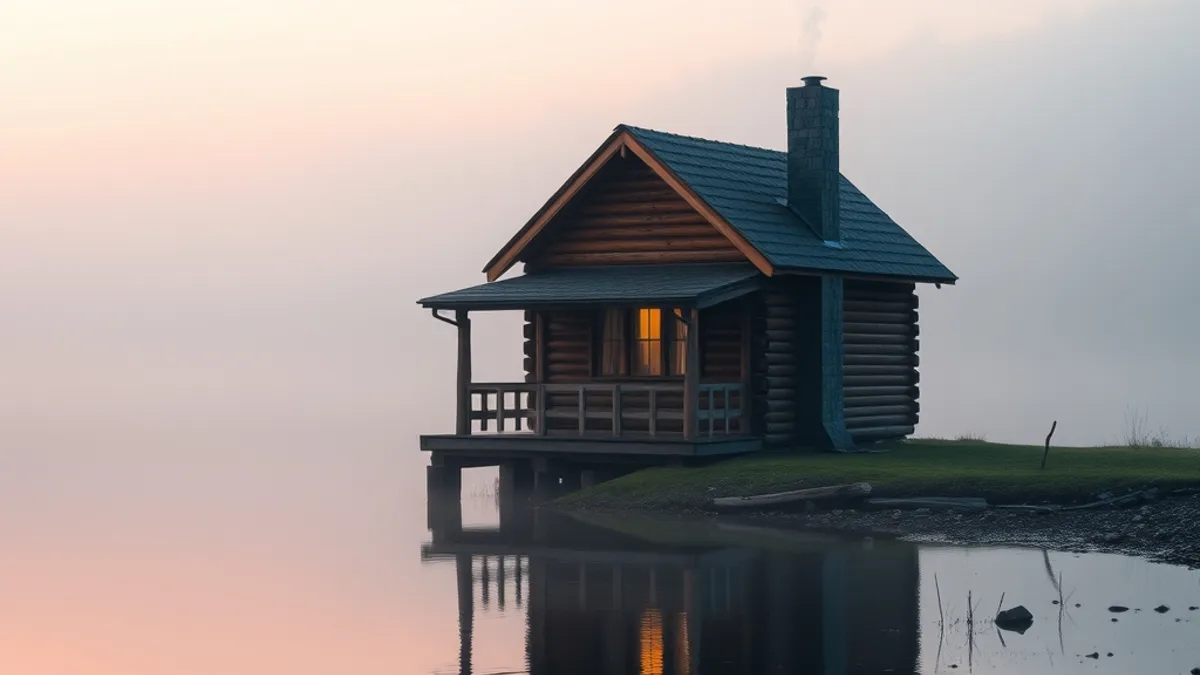
Food is where a cabin stops being a splurge and starts being a bargain. Cooking even one meal a day in a cabin kitchen saves $25–$40 per day versus restaurant prices. Dinner is usually the best candidate, since it’s the most expensive meal to eat out. A big pasta night or a grill session with groceries from the nearest supermarket costs a fraction of what the same group would spend at a sit-down restaurant.
The five-night math
Stretch that over a five-night stay and kitchen savings of $125–$200 can erase a cabin’s higher nightly rate entirely. Even if the cabin runs somewhat more per night than a hotel room, feeding a group of four from the grocery store instead of restaurants can cover that difference and then some. Add the per-person savings from splitting the rate, and the cabin often ends up the cheapest option of the three. The trick is to actually plan meals before you arrive: shop once on the way in, keep breakfasts and dinners at the cabin, and save restaurant meals for lunches out on the trail.
This is also why cabins make less sense for quick trips. On a one- or two-night stay, you’ll barely cook, yet you may still absorb a cleaning fee. The kitchen needs time to pay for itself.
Where lodges fit in
Lodges with included breakfast and no kitchen suit short 1–2 night trips best. You get a solid morning meal without shopping, cooking or dishes, and the bundled breakfast effectively lowers the true nightly cost. If you’re passing through for a weekend, that’s usually the smarter play than a cabin you won’t fully use.
Group Size: The Biggest Savings Lever
Group size changes the math more than any other factor when you’re choosing between a lodge, a hotel, and a cabin. A nightly rate that looks expensive for one person can be a bargain for four, and a cheap hotel room can quietly become the priciest option once you add up the extras.
Solo travelers usually come out ahead with a budget hotel. Off-season rates are hard to beat, and since you’re the only guest, there’s no cleaning fee to split or absorb. One bed, one bathroom, one bill — the sticker price is close to what you actually pay.
Couples often find lodge rooms the best value once breakfast is factored in. A lodge night in the typical $90–$160 range that feeds both of you in the morning can cost less than a hotel room plus two restaurant breakfasts. Groups of four to six, meanwhile, get the lowest per-person rate in a cabin — splitting the total four ways can drop the cost to around $30–$55 each per night.
- With a cabin, assign the split fairly: rooms differ, so some groups divide the cost evenly while others charge more for the private bedrooms and less for the sofa bed.
- For couples, ask whether the lodge’s breakfast is a full hot meal or a basic continental spread — the savings gap between the two can be significant over several mornings.
- Solo travelers should compare hotels against hostel-style or single-occupancy lodge rooms in the same area, since some lodges price small rooms well below their standard rate.
- Groups of six should confirm the cabin’s actual sleeping arrangement before booking — a “sleeps 6” cabin sometimes means two real bedrooms plus a pull-out couch.
Timing Your Booking for the Lowest Rate
Two travelers can book the exact same cabin and pay very different prices — the difference is almost always timing. Rates for lodges, hotels, and cabins move with demand, and a few simple habits can shave a meaningful amount off your total trip cost. The good news is that none of these tactics require insider knowledge or loyalty programs; they just require planning your dates before you start comparing specific properties. Here’s a straightforward order of operations to follow.
- Book 2–3 months ahead. Across all three stay types, early booking typically saves roughly 15–25%. Cabins in particular have limited inventory — there are only so many standalone properties in any given area — so the best-value ones get claimed early in popular destinations. Set a calendar reminder rather than trusting yourself to remember.
- Aim for shoulder season. Traveling in April–May or September–October helps you avoid the 30–50% markup that peak season (June–August) can bring to lodges and cabins. Weather is often still pleasant, trails and towns are less crowded, and availability is better across the board. If your schedule allows any flexibility at all, this is usually the single biggest lever.
- Prefer midweek nights. Tuesday through Thursday stays tend to run cheaper than weekends, especially for cabins, where weekend demand from families and groups is strongest. Even shifting a stay by one night can change the quoted rate noticeably.
- Compare the same dates across all three options before committing. A midweek shoulder-season hotel rate can occasionally beat a cabin split, so run the numbers rather than assuming one type always wins.
If you want a real-world example of how shoulder-season timing transforms a trip, see this piece on autumn escapes with warm golden light and quiet horizons. Stack early booking, shoulder dates, and midweek nights together, and the savings compound rather than just add up — often turning a trip that looked out of reach into an easy yes.
How to Spot Genuine Budget Value in Any Lodge
A lodge can be a genuinely great deal — or a sticker rate with a long tail of extras. The quoted nightly price only tells you part of the story, so it pays to dig a little before you book. A few minutes of checking what is actually bundled can save you real money per night in avoided add-ons, and it makes comparing lodges to other stay types far more honest.
Start with what’s bundled. Ask whether breakfast, parking, and Wi-Fi are included in the quoted rate or billed separately. Many lodges include breakfast, which effectively lowers the true nightly cost, but others charge for parking or internet the way a city hotel would. For a closer look at how upscale lodges bundle their perks, this guide to scenic retreats with sweeping views and polished comfort shows what a fully inclusive rate looks like.
Location matters just as much as inclusions. A lodge within walking distance of trails or town saves you daily driving costs — fuel, parking fees, and rental car wear — that can quietly add up over a week. If you’re relying on a car anyway, factor that into the total cost of the stay rather than judging the room rate alone.
- Scan the most recent reviews specifically for phrases like “unexpected charge,” “extra fee,” or “not included” — older reviews may describe pricing policies that have since changed.
- Check whether breakfast is served at a set time; if you plan early starts for hiking, a lodge that serves only from mid-morning may force you into paid breakfasts elsewhere.
- Look at the map for a grocery store or café nearby — a lodge with no food options within walking distance locks you into driving for every meal.
- Confirm the cancellation terms before booking; a cheap rate with a strict policy can cost you the full amount if your plans shift.
One last habit worth building: email or call the lodge directly before booking and ask for a plain list of what the rate covers. Small properties are often happy to spell it out, and the answer tells you immediately whether that attractive nightly price is the whole picture or just the starting point.
The Bottom Line for Budget Travelers
So which stay type actually costs less once everything is added up? It depends on who is traveling and for how long. Hotels win for solo travelers on short trips, since there is no cleaning fee to absorb and rates start lowest. Lodges win for couples who value breakfast included in the quoted rate. Cabins win for groups of four or more staying three nights or longer, where splitting the rate drops the per-person cost dramatically.
The real lesson is that the sticker nightly rate never tells the whole story. Compare total trip cost, including fees, food and transportation, before you book. Whichever option you pick, booking two to three months ahead and traveling in shoulder season will maximize your savings. If this helped you sort out your next trip, leave a comment or share the article with a fellow budget traveler.