Planning a resort holiday in Spain often comes down to one frustrating question: will your money stretch further at the coast or in the mountains? Both options look tempting in photos, but they deliver very different experiences, price tags and rhythms. Choosing the wrong one for your dates and budget can cost you hundreds of euros over a week.
This guide to beach and mountain resorts in Spain breaks the decision into the questions that actually matter. We compare what each resort type really offers, when the weather favors each one, and where your budget goes furthest. You’ll also find booking tips for each type, the distances that shape your transfer plans, and advice on matching the resort to your travel style. By the end, you should know exactly which option fits your season, your budget and the kind of days you want on holiday.
Beach and Mountain Resorts in Spain: What Each One Really Offers
Spain’s beach resorts concentrate along a few well-known stretches of coast: the Costa del Sol in the south, the Costa Brava in the northeast, and the Canary Islands off the African coast. These resorts are built around a simple formula: sun, swimming pools and long walkable promenades lined with restaurants and shops. Most sit within a short stroll of the sand, and many offer family facilities like kids’ pools, playgrounds and evening entertainment.
What the mountain resorts look like
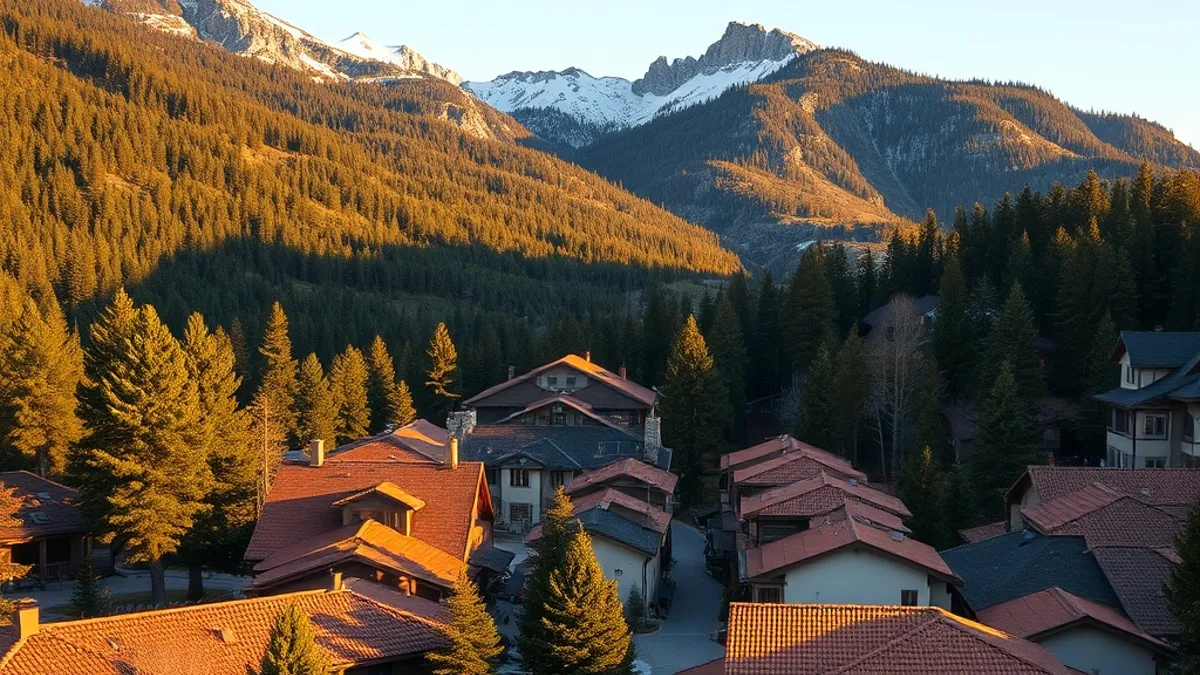
Mountain resorts cluster in two main areas: the Sierra Nevada near Granada and the Pyrenees along the French border. In winter, they operate as ski destinations with lifts, rental shops and slope-side accommodation. In summer, the same hotels and apartments pivot to hikers and cyclists, with trailheads often starting right at the door.
The real difference between the two is the rhythm of your days. A coastal resort stay tends to be slow and repetitive in a good way: breakfast, beach, pool, dinner, stroll. A mountain stay is activity-based: you plan each day around a slope session, a hike or a drive to a viewpoint, and you return to your room tired in a different way. Neither is better; they simply suit different travelers. If your ideal holiday involves doing as little as possible, the coast fits. If you want to come home with sore legs and photos from trails, head for the mountains.
Season and Weather: When Each Resort Type Shines
Timing is the single biggest factor in whether a Spanish resort delivers the holiday you pictured. Coastal resorts deliver reliable swimming weather from May to October, with July and August as the peak months for both heat and crowds. If a beach holiday is your goal, that six-month window is your safe bet, and the shoulder months at either end often give you the same sunshine with fewer people and lower rates. Before you fall in love with a specific property, decide when you can realistically travel, because that choice shapes everything else.
Mountain resorts work on a completely different calendar. The Sierra Nevada and the Pyrenees run a ski season from roughly December to April, and outside that window the lifts close and the resorts quiet down. That doesn’t mean the mountains shut off; it means the experience changes. Here’s how the seasons break down in practice:
- Winter (roughly December to April): ski season, when lift passes and slope-side rooms are in highest demand and mountain resorts are at their most expensive.
- May to August: hiking and cycling season in the Pyrenees and Sierra Nevada, with wildflowers early on and long daylight hours for trail time.
- September and October: the sweet spot for mountain value, when the slopes have closed but trails stay in good condition and room rates drop noticeably.
- November: a quiet transition month in the mountains, when facilities between seasons can be limited, so check what’s open before booking.
The practical takeaway: pick your season first, then your resort type. A summer traveler who wants swimming ends up on the coast almost automatically, while a winter traveler heads for the lifts. The dates you travel will often make this decision for you, so let them lead rather than fighting the calendar with a destination that doesn’t match.
Budget Comparison: Where Your Money Goes Further
The price gap between coast and mountains is mostly a question of when you go, not where you go. Beach resort rooms often cost 30-60% more in July and August than they do in May, June or September. That’s the difference between a comfortable week and a strained one, so if your dates are flexible, shifting your coastal trip by even a few weeks changes the math dramatically.
The mountain advantage in shoulder months
Mountain resorts in September and October can run 20-40% cheaper than peak summer coast rates. When the ski lifts close and the summer hikers thin out, hotels in the Sierra Nevada and the Pyrenees drop their prices to fill rooms, while the trails remain in good condition. If your goal is scenery and walking rather than swimming, these months are where your budget goes furthest.
The Canary Islands deserve a separate mention for budgeting. All-inclusive beach packages there often start around 60-90 EUR per person per night in low season, covering meals, drinks and usually snacks. That predictability is worth real money: you can calculate almost your entire holiday cost before you leave home, with only flights and excursions left as variables. Room-only stays at the coast look cheaper at first glance, but restaurant dinners and poolside drinks add up quickly, so compare like for like before assuming the cheaper headline rate wins.
How to Book Each Type at the Best Price
Beach and mountain resorts behave very differently when it comes to booking windows, and treating them the same way is one of the easiest ways to overpay. The coast rewards early planners, while the mountains give you far more room to wait. Here is how to approach each one so you are not paying peak-season prices for a room you could have secured for less.
- Book beach resorts 3-6 months ahead. Summer demand along the Spanish coast builds fast, and the best-value rooms in popular resort areas tend to go first. Reserving within this window usually locks in your rate before the July and August rush pushes prices up. If you are targeting a specific family room or sea view, book even earlier rather than later.
- Give mountain resorts 1-3 months of lead time. Outside the ski season, which runs from about December to April, Pyrenees and Sierra Nevada properties rarely fill up far in advance. Booking a couple of months out is typically enough to find good availability and fair rates, and last-minute deals do appear outside peak ski weeks.
- Compare packages against room-only plus local dining. All-inclusive deals make the most sense at the beach, where resorts are often far from restaurants and you eat on site anyway. In mountain areas, small towns and villages usually offer plenty of affordable places to eat, so paying for a package can mean covering meals you would rather enjoy elsewhere.
Whichever type you choose, check the cancellation terms before paying a deposit. Flexible rates cost a little more up front but let you rebook if prices drop, which happens more often than most travelers expect in quieter months. It also pays to recheck your rate a few weeks after booking, since some platforms will honor a lower price on the same room type. Set a calendar reminder for your chosen booking window rather than relying on memory, because the difference between booking in spring and booking in mid-summer can be significant at popular coastal resorts.
Location and Access: Distances That Shape Your Trip
Spain is bigger than it looks on a map, and transfer time can quietly reshape your trip. A resort that looks like a bargain may cost you half a day of travel each way, while another sits close enough to a major city to combine two destinations in one stay. Before you book, think about how the resort connects to airports, cities and the activities you have planned. A cheap nightly rate loses its appeal if you burn two evenings of a one-week trip just getting there and back.
- Sierra Nevada resorts pair easily with Granada. The main ski area sits roughly 30-45 km from the city, so you can sleep at altitude and still spend a morning in the Alhambra area or the old town without a complicated transfer. That makes it one of the few ski destinations in Europe where a city-and-slopes combo needs almost no extra planning.
- Pyrenees resorts demand a longer commitment. Expect around 2-3 hours of driving from Barcelona, so it makes sense to plan your whole stay around the mountains rather than treating them as a day trip. Build in time for rental car pickup, mountain roads and winter conditions, which can stretch the drive further.
- Canary Island resorts trade flight time for climate. The flights from mainland Spain are noticeably longer, but in exchange you get mild weather through the winter and some of the lowest resort prices of the year during those months. If your dates are flexible, check low-season package rates before settling on the mainland coast.
A good rule of thumb: the harder a resort is to reach, the more your stay should justify the journey. Short transfers suit flexible, mix-and-match itineraries where you might split time between a city and the coast. Remote ones reward travelers who commit to one place, settle in and let the resort itself carry the trip. Match the transfer time to how many days you actually have, not just to the price on the booking page.
Matching the Resort Type to Your Travel Style
The right resort type depends less on reviews and rankings and more on how you actually like to spend a day. Some travelers want to wake up, walk to the pool and not make a single decision until dinner. Others feel restless by 10 a.m. and need a trailhead or a lift within reach. Be honest about which one you are before you book.
When the coast is the better fit
Beach resorts shine when your priorities are swimming, family-friendly facilities and evenings spent strolling a promenade. Everything is designed around slow days: kids’ pools, beach bars, playgrounds and restaurants within walking distance. If your idea of a vacation is doing less, not more, the coast delivers it with the least effort.
When the mountains win you over
Mountain resorts suit travelers who want structure to their days: ski runs in winter, marked hiking trails in summer, and noticeably cooler temperatures when the lowlands swelter. Days have a natural rhythm here, built around weather, lifts and trail conditions rather than sunbathing schedules.
There is also a middle path worth considering. A coast week in shoulder season, when prices are gentler and the sea is still warm, combined with a short mountain escape, often costs less than a single week at a peak-season beach resort. Splitting the trip gives you both rhythms without paying top rates for either, and it works especially well if you fly into a hub with good road connections in both directions.
The Bottom Line for Your Spanish Resort Choice
So, which stretches your budget further in Spain? It depends on when you go. Beach resorts win on May-October sun and all-inclusive value, while mountain resorts win on winter sports and cheaper shoulder months. If you want guaranteed swimming weather, the coast is the safer bet; if you want snow or cool hiking air, the mountains deliver.
The real lesson from this comparison is that timing and booking lead time matter more than the destination itself for your final price. Match the choice to your season, budget and activity style rather than to generic rankings, and you’ll usually come out ahead. If this helped you decide, leave a comment or share the article with a fellow traveler.