You’ve found a budget lodge online with photos that look warm, clean and inviting, and the rate seems almost too good. Then you arrive and wonder whether the air conditioning actually works, if the hot water runs past breakfast, and why nobody mentioned the shared bathroom down the hall. This gap between listing photos and lived reality is one of the most common frustrations for travelers on a tight budget.
This guide walks you through what a budget lodge realistically provides at typical rates, which amenities deserve a few extra dollars, and the trade-offs you should simply expect at this price point. You’ll also learn how to read reviews for the details that matter, when to book to get the better rooms, and why a lodge often beats a cheap hotel for longer trips. By the end, you’ll know exactly what you’re paying for and how to make a modest room feel like a smart choice rather than a compromise.
What a Budget Lodge Usually Includes
At the $20-60 price point, a budget lodge keeps things simple. You get a basic room, either private or shared, with a bed, clean linens and a lockable door. Cooling usually comes from a ceiling or wall fan rather than air conditioning, and many rooms rely on window ventilation for airflow. Don’t expect a desk, wardrobe space or a TV in every unit; some lodges include them, but they’re extras rather than standards.
Free Wi-Fi is almost always part of the deal, but manage your expectations. Speeds often sit below 10 Mbps, and the connection slows noticeably when the lodge is full in the evening. If you need to upload large files or join video calls, test the connection on your first night and have a mobile data plan as backup.
Where the real comfort lives
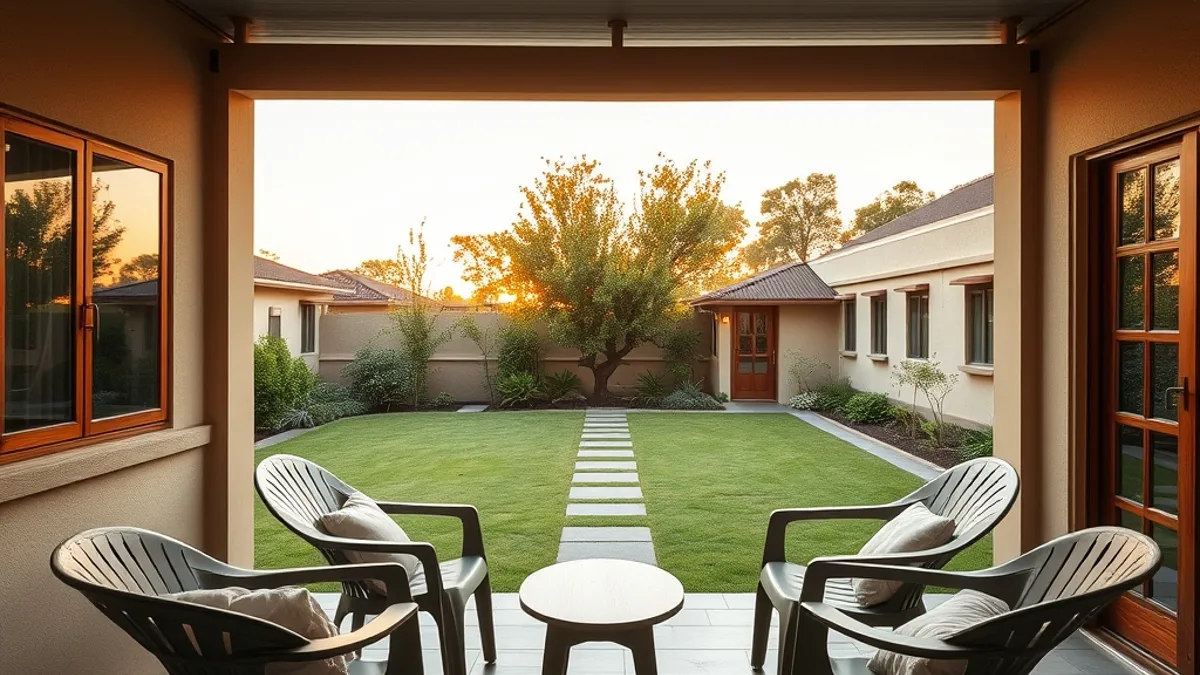
What budget lodges lack inside the room, they often make up for in shared spaces. A shaded veranda with a few chairs, a small garden, or a modest dining area gives you somewhere to read, plan your day or chat with other travelers. These common areas effectively substitute for in-room comfort, so a room that feels cramped can still work well if the lodge has a pleasant place to linger. When comparing listings, look closely at photos of these spaces, because they tell you a lot about how your stay will actually feel.
Amenities Worth Paying a Little Extra For
Not every upgrade at a budget lodge is worth the money, but a few make a genuine difference to your comfort. Knowing which ones matter helps you spend an extra few dollars wisely instead of chasing features you’ll never use. After a long day on the road, a cool room, a private bathroom and a hot shower usually beat any decorative extra. The three upgrades below consistently deliver the best value in this price range, and they’re the ones worth asking about before you hand over a deposit.
Air conditioning, when a lodge offers it at all, is often restricted to premium rooms or adds $5-10 per night. An en-suite bathroom instead of a shared one is widely considered the single biggest comfort upgrade available here, especially in the cheaper tiers where shared bathrooms are the norm. And reliable hot water matters more than fresh paint or stylish decor, since lower-priced lodges commonly limit it to set morning and evening hours. Before you pay, confirm the details, because listings don’t always spell them out.
- Ask which rooms have air conditioning. Some lodges cool only their best units, so the standard rooms you’re booking may be fan-only even when the listing advertises AC somewhere on the property.
- Check whether the AC fee is per room or per person. The $5-10 surcharge can double for couples if it’s charged per guest, which changes the math on whether the upgrade is worth it.
- Request an en-suite room by name when booking. Since roughly half of budget lodge rooms have private bathrooms and shared bathrooms dominate the cheapest tier, specifying this in advance avoids an unpleasant surprise at check-in.
- Confirm hot water runs all day. Lower-priced lodges commonly limit hot water to set morning and evening hours; if you shower at midday after a hike, ask before you arrive.
The Trade-offs You Should Expect
Staying at a budget lodge means accepting a few compromises along with the savings. None of them are deal-breakers for most travelers, but knowing about them in advance turns small annoyances into non-issues. Here’s what to realistically expect when you check in.
Housekeeping is typically provided every 2-3 days rather than daily. If you want fresh towels more often, ask at reception; some lodges will swap them on request even when full cleaning isn’t scheduled. Hanging your towel to dry and keeping your own toiletries stocked makes the longer interval easy to manage.
Noise and simple furnishings
Thin walls and basic soundproofing are the norm in this tier, and furnishings tend to be functional rather than stylish. A creaking bed frame, a bare bulb and a plastic chair are all fair game. Pack a pair of earplugs and you’ll neutralize most of the problem; many seasoned budget travelers consider them as essential as a passport. If you haven’t yet chosen your room, asking for one away from the road helps too.
On-site restaurants, gyms and pools are rare at lodges in this range. Instead, expect to eat at nearby street food stalls or small local eateries, or to use a shared kitchen if the lodge has one. Self-catering keeps costs low and often puts you closer to authentic local food than any hotel restaurant would. Treat the missing facilities as part of the deal rather than a disappointment, and the savings stay firmly in your pocket.
How to Spot a Good Value Budget Lodge
The biggest mistake travelers make when booking a budget lodge is trusting the overall rating. A lodge with a 4.5 average can still have terrible water pressure, and the recent reviews will tell you so. Instead of scanning the score, search reviews for mentions of the things that actually shape your stay: water pressure, Wi-Fi reliability and noise. If several guests from the last few months mention weak showers or a router that gives up every evening, believe them.
Photos deserve the same skeptical eye. Staged bedroom shots with a perfectly made bed and a filter-heavy sunset tell you almost nothing. What you want are photos of the bathroom, the common areas and the view from the window. A bathroom photo shows you whether the shower is a proper enclosure or a wet floor with a drain. A window view photo tells you whether your room faces a garden or a neighboring wall.
One more pattern worth watching for: lodges run by local families often compete on hospitality rather than facilities, and that shows up in free extras.
- Airport or bus station pickup: Family-run lodges frequently offer this at no charge, which can save you a haggling session with taxi drivers on arrival.
- Packed breakfasts: If you leave early for a tour or a long bus ride, many hosts will prepare bread, fruit and coffee the night before without adding to your bill.
- Local advice that actually works: Owners who live on site can point you to the market stall or boat operator they personally use, which guidebooks rarely match.
Booking Timing and Room Choice Within a Budget Lodge
The cheapest lodges usually have only a handful of genuinely good rooms, and those go first. A little planning changes which room you sleep in, how quiet your nights are and what you actually pay at checkout. In a small lodge with eight or ten units, one or two rooms will have the better window, the calmer corner or the view of the garden instead of the parking area. The rest are an afterthought, and late bookers get them by default. Here is how to work through it.
- Reserve 2-4 weeks ahead. The better units in a small lodge are few, and walk-in guests arrive daily. Booking a few weeks out is usually what secures the room with the bigger window or the quieter corner, not the leftover one over the kitchen.
- Ask for a room away from the road and above the ground floor. Road-facing rooms take the traffic noise, and ground-floor rooms tend to be noisier still and easier to break into. A simple email or message when you book costs nothing and often gets honored. If the lodge replies with a specific room number or a confirmation, save that message on your phone so you can show it at the desk.
- Confirm what the quoted rate includes before paying a deposit. Taxes and breakfast are sometimes left out of the headline figure in this price range. Ask directly whether the price covers both, and get the answer in writing so there is no surprise at check-in.
None of these steps takes more than a few minutes, and together they remove most of the complaints you will read in negative reviews of budget lodges. The difference between a mediocre stay and a good one at this price is rarely the lodge itself. It is which room you ended up in and whether the final bill matched the quote. Arrive with your booking message handy, check the room before unpacking, and you will usually get the stay you planned for rather than the one you were assigned.
When a Budget Lodge Beats a Cheap Hotel
Put a budget lodge and a chain budget hotel side by side at the same nightly rate, and the hotel usually looks better on paper: standardized rooms, a front desk with fixed hours, maybe a small gym. But the lodge tends to win on the things you actually remember from a trip. It might be a host who remembers your name by day two, breakfast served outside, or a building with some local character instead of identical carpet and artwork in every room. Chain budget hotels rarely offer any of that, at any price.
Long stays tip the balance further
For stays longer than a few nights, a lodge often becomes the more practical choice. Being able to make coffee when you want it, eat breakfast without a set schedule and have space to spread out maps or a laptop makes a modest room far more livable. In a chain hotel at the same rate, you get a mini fridge if you are lucky and a restaurant menu if you are not. Over a week or more, that difference in daily comfort adds up.
If you are out all day anyway
Honest question: how much time will you actually spend in the room? If your days are filled with hiking, sightseeing or diving, you are really only paying for a bed, a shower and a lockable door. The pool, the gym and the business center you skip at a pricier hotel are amenities you pay for whether you use them or not. For travelers with full itineraries, that extra cost rarely buys anything they use, and the lodge’s personality ends up mattering more than the facilities list.
Where the chain hotel still makes sense
To be fair, chains have their place. If you arrive on a late flight, want a predictable standard in an unfamiliar city or need 24-hour reception, the hotel’s consistency is worth something. But for most independent travelers on a budget, the lodge gives you more of what a trip is actually about, and you stop paying for services you would never touch.
The Bottom Line on Budget Lodge Stays
A budget lodge in the $20-60 range delivers the essentials: a private or shared room with a bed, linens, a lockable door and free Wi-Fi. What separates a pleasant stay from a frustrating one usually comes down to three choices you make before booking: whether you have an en-suite bathroom, whether cooling and hot water are available when you need them, and whether the room itself sits away from noise. The photos online rarely tell you any of this, which is why so many travelers arrive unsure which promised amenities are real.
The good news is that most trade-offs in this price range are predictable and manageable. Booking a few weeks early gets you one of the better rooms, and asking the right questions about water, taxes and breakfast removes most surprises. If your days are spent out exploring, a budget lodge often gives you more character and comfort per dollar than a cheap hotel. If this helped you plan your stay, leave a comment or share the article with a fellow traveler.